
Those responsible for managing an e-commerce platform or a website facilitating payment transactions are probable to have encountered the terminology “payment gateway” and “payment processor”. While these terms are frequently used interchangeably, they denote distinct services, each serving specific roles in the administration of online transactions. Understanding the difference between these two terms can help make a determination over which will fit your business better.
This blog post addresses what payment gateways and payment processors are, provides an explanation on their differences, and makes suggestions of which one would be appropriate to use in business.
What is a Payment Processor?
A payment processor is one of the important services of any business undertaking credit card transactions. Its function involves the facilitation of transaction by transmitting data from the bank account of a customer to that of the merchant.
Payment processors service both brick-and-mortar as well as electronic commerce transactions but are usually behind the scenes of most customer activity. The primary role of a processor is to ensure that there is a secure transaction of information concerning the payment and to be responsible for the movement of funds from the account of the buyer to the merchant.
Generally, the payment processors charge either on a per transaction or percentage, or a combination of both basis. Many types of payment processors exist, each tailored to meet the different needs of businesses, such as international or high-risk businesses, or by specific types of retail Internet stores.
Contemporary payment processing systems often integrate gateways, offering all-in-one solutions that validate and process payment information in the same step. However, for some companies, an integrated payment processing service may be too complicated or too costly to deploy.
A credit card payment processor does not authorize payments. The authorization is done by the issuing bank in conjunction with the credit card network. The transaction will also be recorded by the processor, then when the bank has authorized the payment it processes the payment.
What is a Payment Gateway?
A payment gateway is like a payment processor, but their primary use is on an e-commerce store for the merchant. Although the gateway can facilitate a transaction, it is the processor that makes the payment occur.
The payment gateways have become an optimum solution for all those enterprises interested in receiving online payments without really going into the intricacies involved in comprehensive payment processing systems. When a customer makes a purchase, he actually interacts with the payment gateway. The customers would provide their payment information, and the gateway then verifies it before making the actual transaction.
Upon completing an online transaction and inputting your credit card details, an interaction with a payment gateway has occurred. These services may be incorporated directly within a website or function as third-party platforms that direct customers to an external site for the purpose of completing the payment.
Payment gateways generally impose a fee for each transaction, and certain gateways emphasize accelerating transaction processing, thereby guaranteeing that funds are transferred in the most expedient manner possible.
Payment Gateway versus Payment Processor: Key Differences
This section compares the two options and highlights the main differences that are relevant to an online business:
- Payment Processor: A payment processor can include a gateway; yet, a gateway cannot be used as a processor. The processor enables both offline and online transactions and does not communicate directly with the customer. Instead, it uses a POS (Point of Sale) system or an electronic payment gateway to manage the consumer’s payment data and then moves the money into the merchant’s account.
- Payment Gateway: A payment gateway primarily serves online merchants and web stores. It accepts credit card orders, among others, and does not process a payment by itself but complements the entire process of processing the transaction. A payment gateway generally does not manage payouts directly to merchants; it is not that way for some of the other platforms.
For smaller businesses, the integration and setup of a payment gateway may be more straightforward compared to that of a payment processor. Some payment gateways are designed to support both personal users and businesses, making them more accessible for a wide range of needs.
Large corporations or companies can really benefit when hiring a payment processor since these are designed for high transactional volumes while providing safety to their merchants from risk.
Payment Gateway vs. Payment Processor: Which to Choose
Online businesses or web-based companies processing a small quantity of transactions must use simple payment gateway solutions. Some examples of payment gateway products are Stripe, Braintree, and 2Checkout.
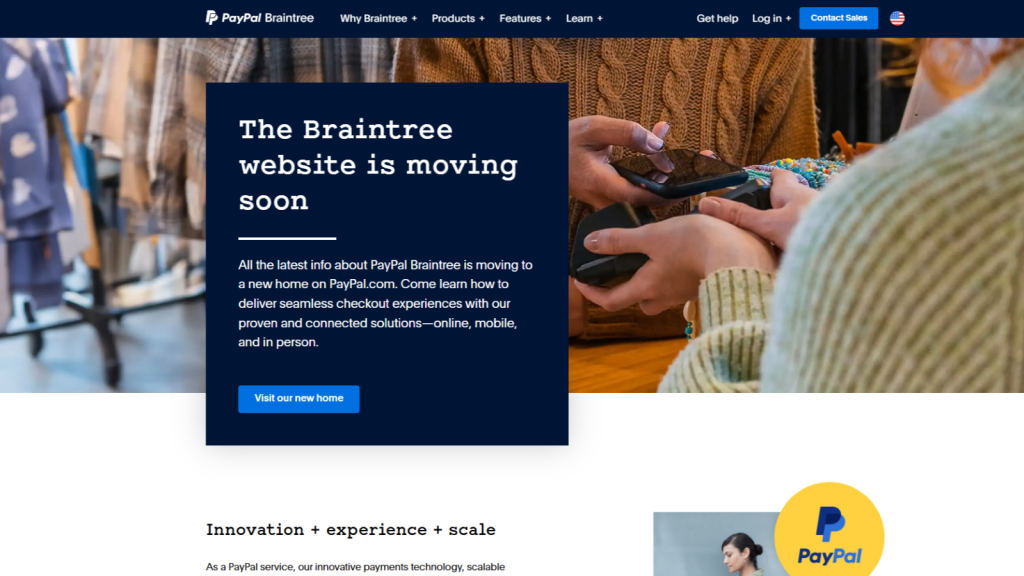
- Braintree: It is a subsidiary business of PayPal, which works like a payment gateway. It is suitable for businesses that seek to add their systems with an online payment-taking feature.
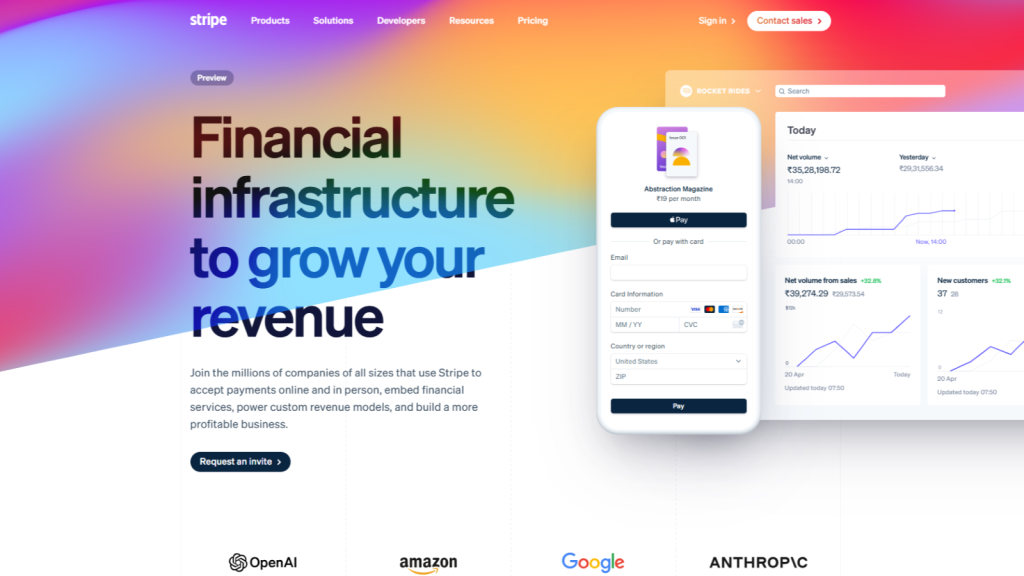
- Stripe: It is an all-in-one platform that both provides a payment gateway and acts as a processing service, on behalf of all types of online businesses, independent contractors, and other vendors.
It is important to note that any transaction process is not possible without the payment processor, even if using a gateway. Being the owner of the business, you can install a gateway in your website and the payment processor will run in the background.
Conclusion
This would be great if your business occasionally made online payments since you could then add it to your website and use it for easy acceptance of payments without requiring a merchant account.
A payment processor is the better option for businesses that accept online and offline payments and wish to be in control of the payment process. Even though a processor is set up and takes more time to initialize, the end result allows businesses to have a far more holistic offering when it comes to handling large numbers of transactions.
Regardless of what the specific needs are, understanding the differences between a payment gateway and a payment processor is of key importance to choosing the solution best suited to business operations.