
With the advent of ecommerce, small businesses have grown because there is a tremendous opportunity to reach bigger customers. However, it is very hard to protect your e-commerce site from some of the advanced cyber threats since the internet is fundamentally prone to such types of attacks.
The better news is that there are various ways of securing your site and the information of your customers. Securing your business can be made more effective with strong password policies, a quality web hosting service, and an application firewall.
In this article, we’ll discuss some of the threats against ecommerce sites and explore five ways to secure your ecommerce business. Let’s continue with the study.
5 Most Common Threats to Ecommerce Sites
Ecommerce sites are some of the highest-attack sites on the internet due to the personal data they handle, including credit card information, etc. One data breach can put a serious dent in customer trust and ruin your brand’s reputation.
Moreover, several GDPR and other relevant data protection regulations had specific requirements that if breached, the fines would rise to tens of millions of euros. The table below highlights the most commonly perceived security threats specific to e-commerce to which attention needs to be paid:
- Fraudulent Transactions: This is where the cyber criminals make a purchase using the credit card information they have stolen. This can be categorized into several frauds including return fraud and triangulation fraud.
- E-skimming: Cyber criminals inject malware in the payment pages to get hold of card information.
- Phishing Attacks: Phishing scams make victims disclose their login details, credit card information, among other sensitive data by sending false emails. In 2021, 4-6 successful phishing attacks hit 27% of organizations.
- Malware: This is the harmful software category that breaks into e-commerce websites, hence providing the cyber criminals with confidential information. In 2023, it was considered the biggest cybersecurity threat globally by all the concerned entities.
- Brute Force Attacks: Cybercriminals or automated software continue trying more than a thousand versions of similar login credentials until they finally succeed in gaining unauthorized access.
- Cross-Site Scripting (XSS): An attack where attackers inject harmful scripts on websites that are then executed by unsuspecting users, thus risking the confidentiality of sensitive information. This technique is still a part of many attack methodologies up to 2019.
This list is not exhaustive because new threats are surfacing every day. Thus, it is essential to understand the vulnerabilities in ecommerce to ensure the safety of the website and its users.
Recommendations for Improving Ecommerce Security in 2025
After analyzing the five most prevalent threats that your ecommerce platform will face, this chapter will detail five strategies that will improve the security of your online store.
1. Select a Reliable Hosting Provider
All websites require a hosting service to store vital files and make them accessible to users over the internet. While there are many hosting services available, not all of them guarantee sufficient security measures.
Use a reputable hosting provider, such as 777Hosting, that is known for its tight security measures. A good provider usually provides resources such as daily backups, automated software updates, and SSL certificates to ensure data encryption.

For instance, a trustworthy hosting service will provide real-time security features such as WAF, malware mitigation, and 24/7 Distributed Denial of Service (DDoS) protection. Meanwhile, a robust support team can easily access any issues that may occur.
2. Enable Two-Factor Authentication (2FA)
Having another layer of security within your ecommerce will dramatically improve the authentication process. Two-factor authentication is one kind of verification wherein, aside from entering a password, the individual must confirm his identity through some other means apart from just the input of a password.
Normally, users must enter a password and then subsequently enter another factor of authentication; this can come in the form of a one-time passcode sent to either their email or mobile device. Finally, authentication applications or security questions can be used to further strengthen the security mechanism.
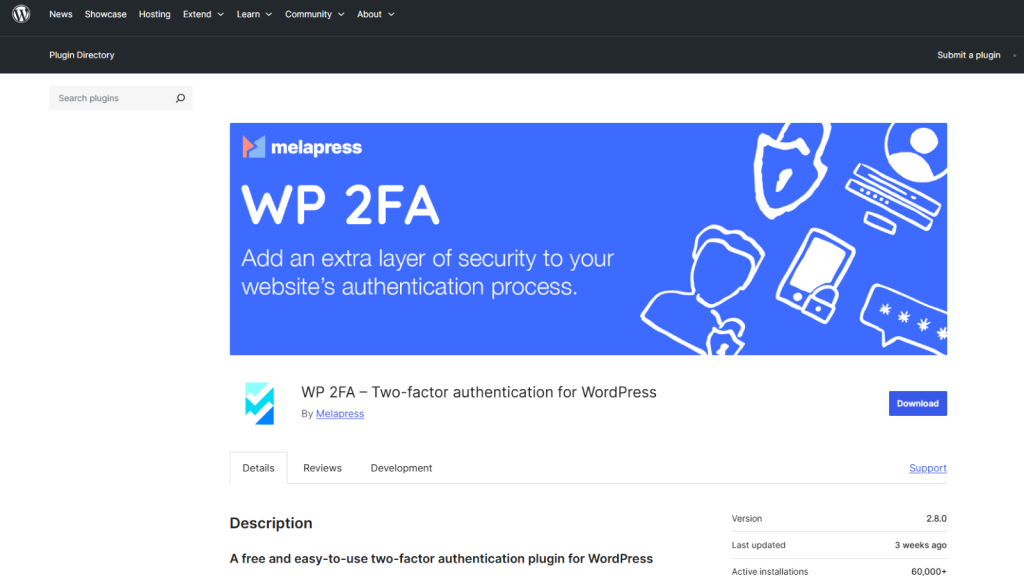
For users working with platforms like WooCommerce, there are resources like WP 2FA, which makes adding multi-factor authentication easy, offers many different authentication methods, and integrates well with services like Authy and Twilio.
3. Use a Web Application Firewall
A Web Application Firewall is a protective filter for incoming web traffic. WAF safeguards your ecommerce application against malicious threats targeted against it. By blocking suspicious IP addresses, a WAF serves as a shielding wall around your website.
Most of the WAF solutions, like Cloudflare, have settings options where you may block or whitelist certain IPs. It’s one of the most effective ways to keep cyber threats away from your site in the first place.

4. Install an SSL Certificate
SSL certificates are very important to ecommerce sites. They allow for the encryption of exchanges of data between your website and its users. Even if the data were intercepted, it would be incomprehensible.
An SSL certificate is essential because it will always ensure that accessing sensitive data like credit card details and personal customer information is performed to comply with data privacy policies. The availability of an SSL certificate can easily be confirmed as a lock sign is seen beside the domain name at the address bar whenever a URL is typed in there.
Most of the popular web hosting providers offer free SSL certificates in their packages; therefore, it is recommended to have this feature enabled wherever possible.
5. Set up and Use Secure Passwords
While two-factor authentication adds a layer of protection, strong passwords are the very foundation of security for any online store. Most users find the choice of using a weak password much easier and remember it without problems, thereby rendering the site susceptible to hacking.
Always remind the user to have an intricately complex password consisting of an admixture of both uppercase and lowercase letters and special characters besides digits. Again, it has been proved that longer passwords will provide more security.
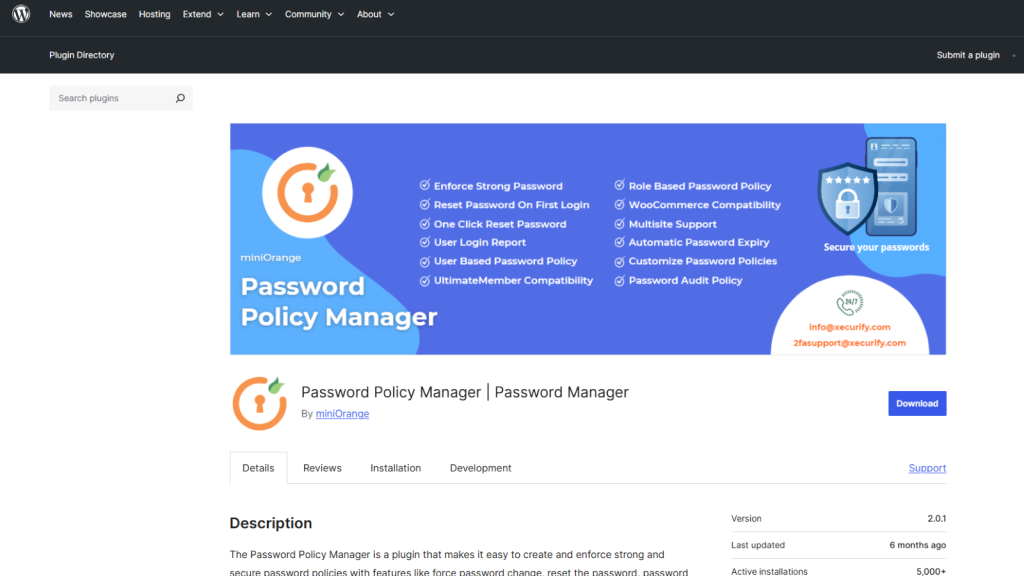
Another equally important implementation is having a strong password policy on your website. WordPress users can enjoy password policy management with tools that enable customizable policies for passwords, strength checks, one-click reset, and blocking of access by inactive users.
Conclusion
Starting an ecommerce business can lead to new customers and help promote your brand, but security cannot be compromised for it will not only protect the reputation of the business but the trust of your customers and, most importantly, your financial assets.
To wrap it up, here are the five basic security steps to be taken for the ecommerce website:
- Select a reliable hosting provider.
- Enable two-factor authentication.
- Use a Web Application Firewall.
- Install an SSL certificate.
- Set up and use strong passwords.
By following these steps, one can ensure that their e-retail platform will have security and reliability both for the owner and the customers.